

A pool in a nook of a bay
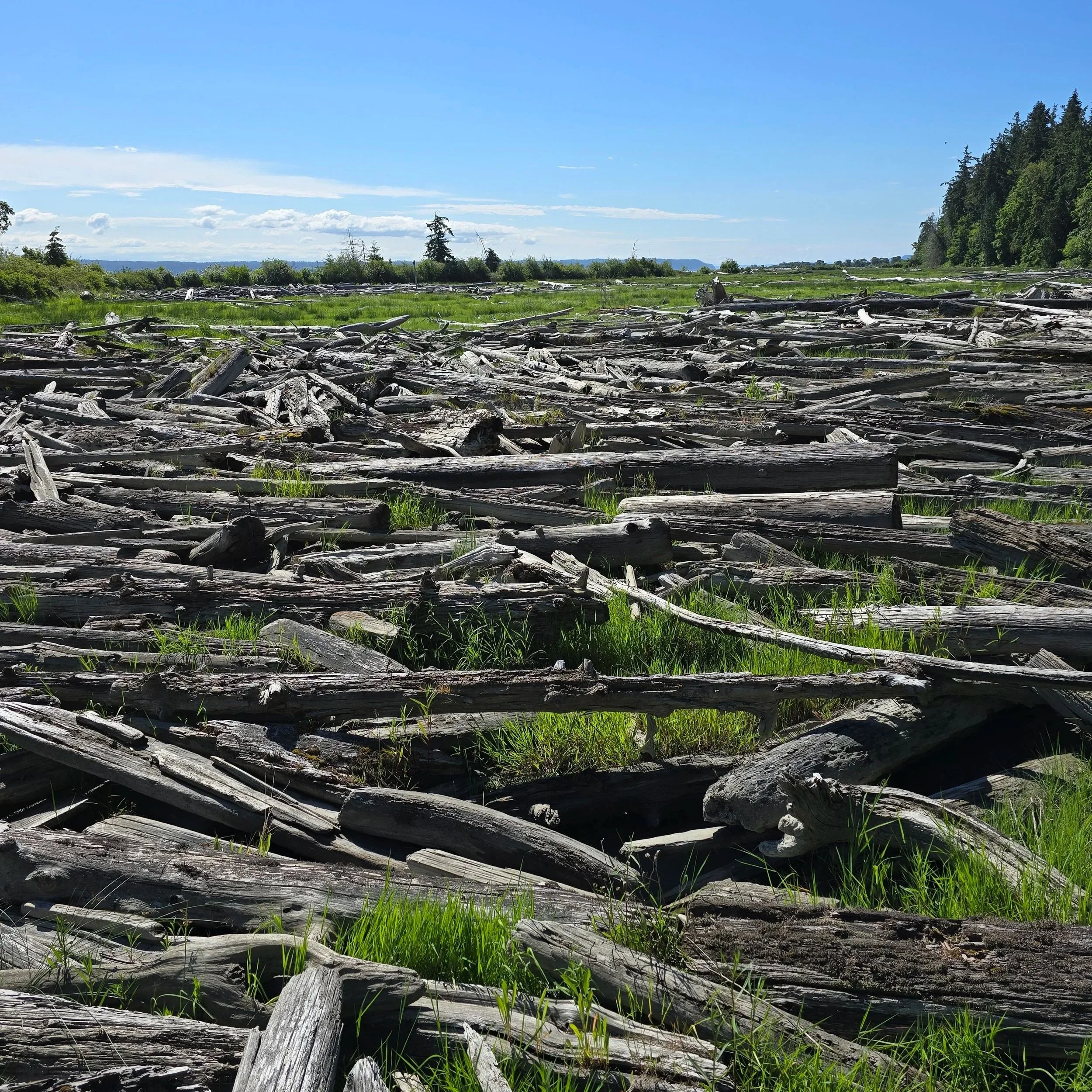
Earlier this week I visited a hard-to-reach part of the Livingston Bay coast. It was a beautiful tripping hazard!
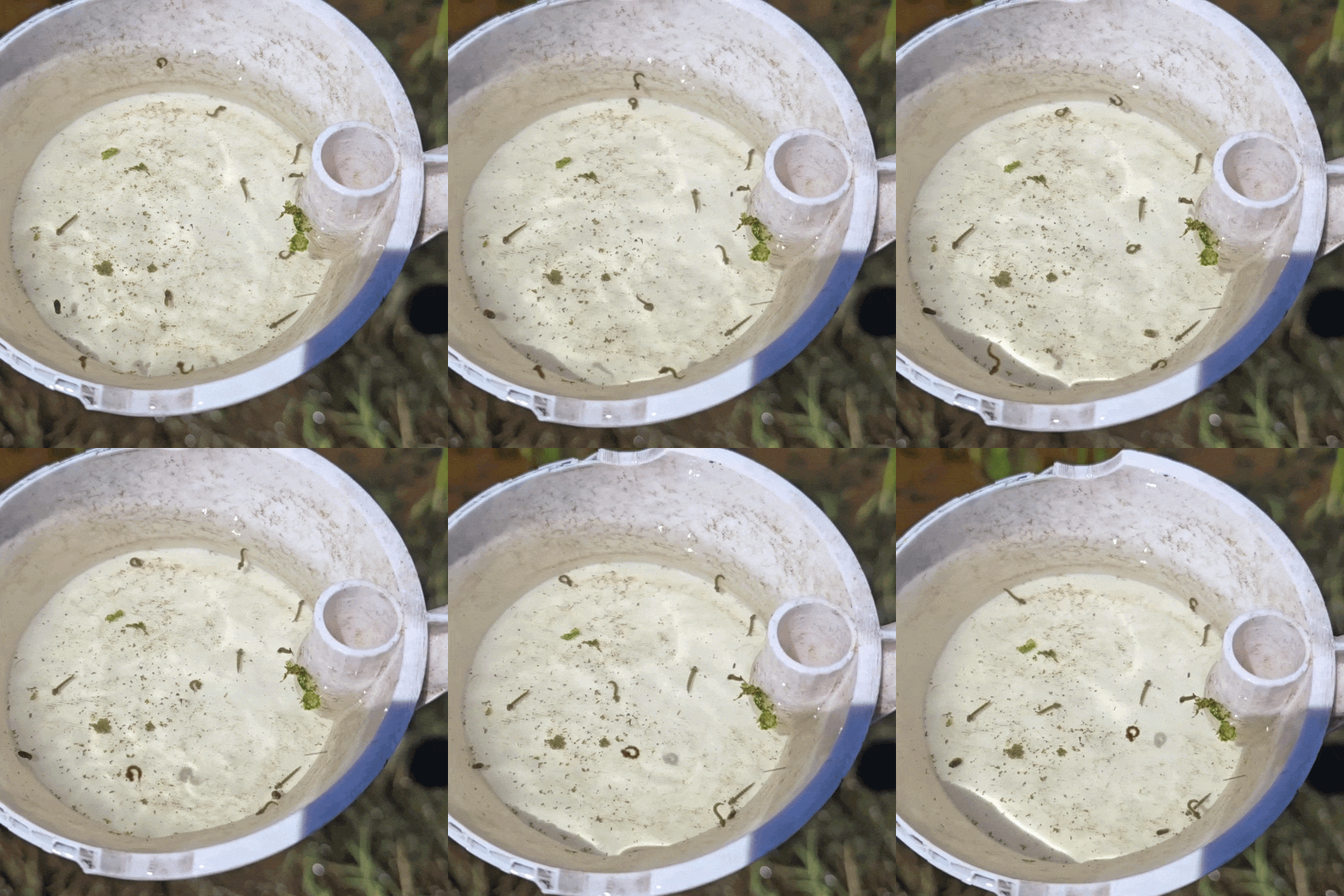
Two weeks ago I didn’t find a single mosquito larva. This time I captured about 20 larvae with every scoop of my white mosquito dipper.
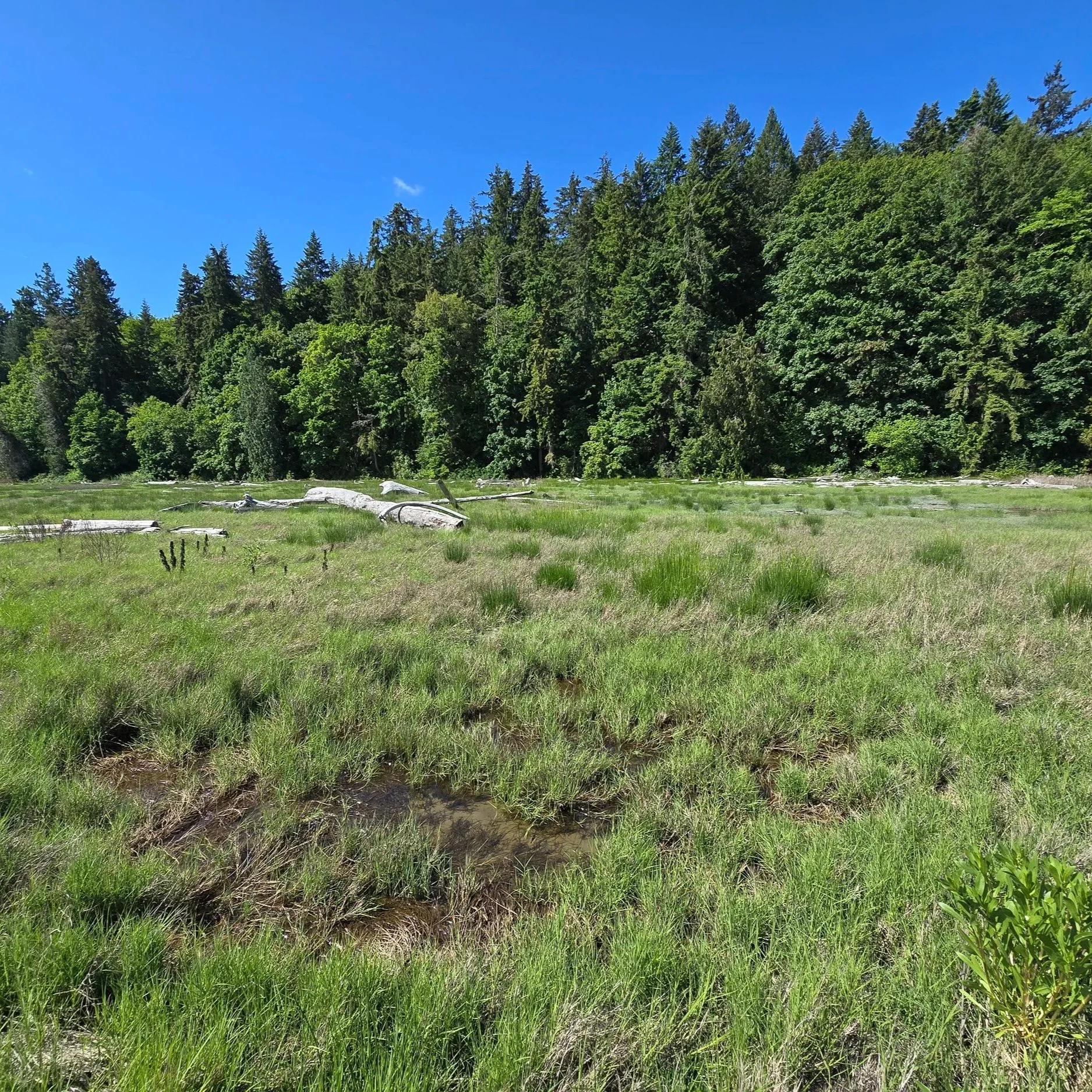
I found the most larvae in ephemeral pools covered with plants - plenty of places to hide from predators.
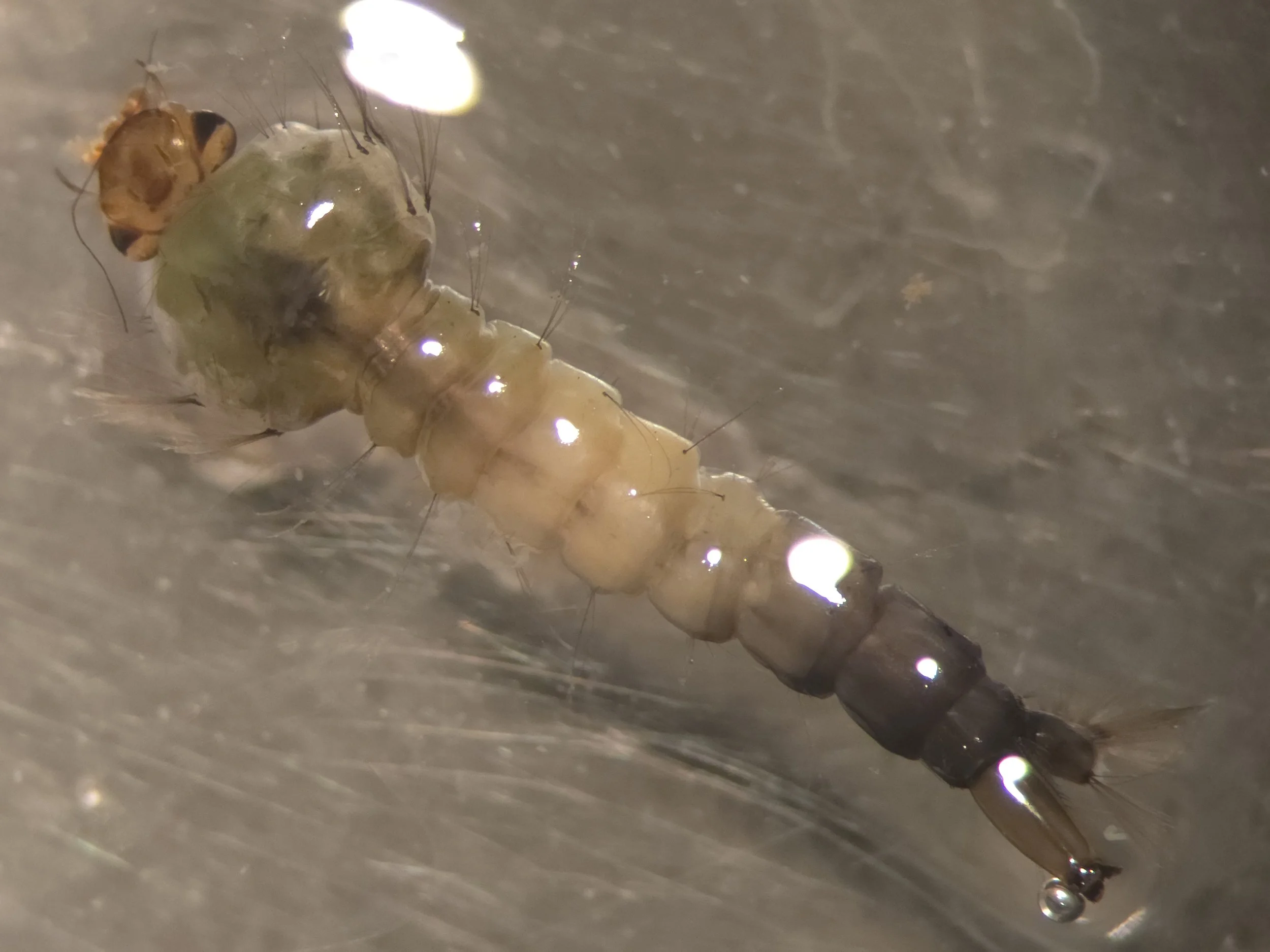
Under a scope these mosquitoes turned out to be Aedes dorsalis, one of the few brackish-water tolerant mosquitoes in the state.
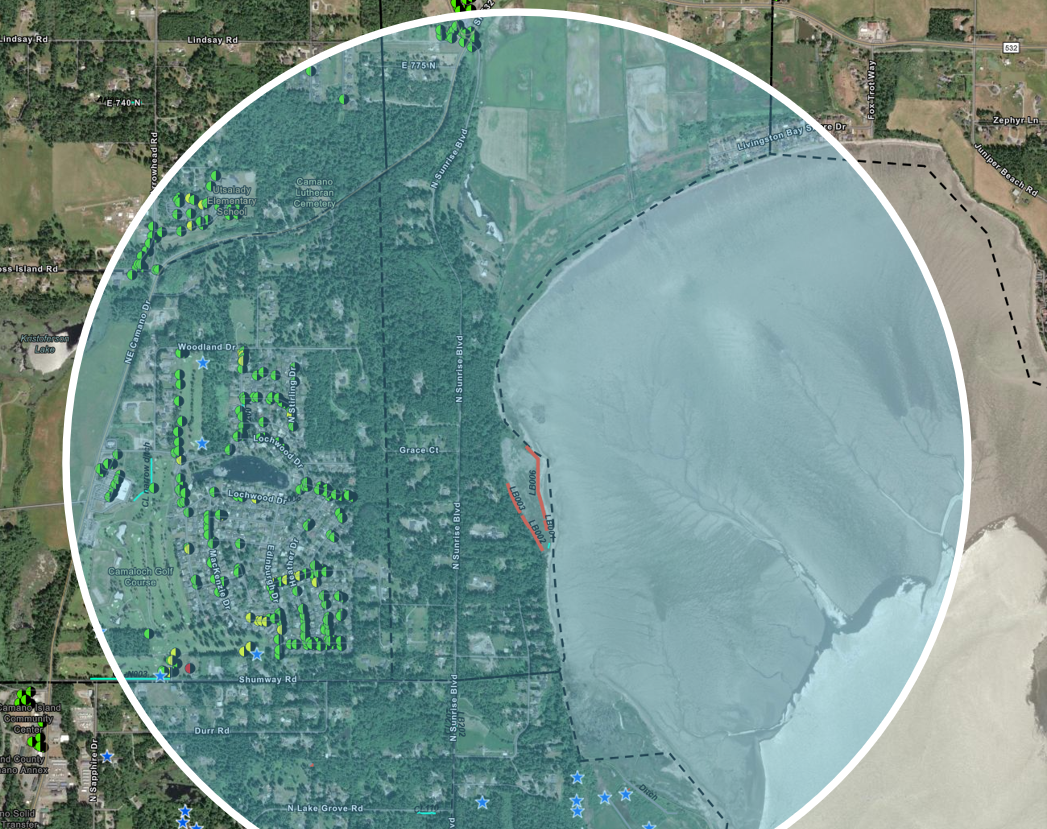
Adults of this species can comfortably fly a mile and a half per night, with some traveling as far as fifteen. Here’s what the more conservative 1.5 mile flight range from this coastline looks like. Know someone that lives within that range?
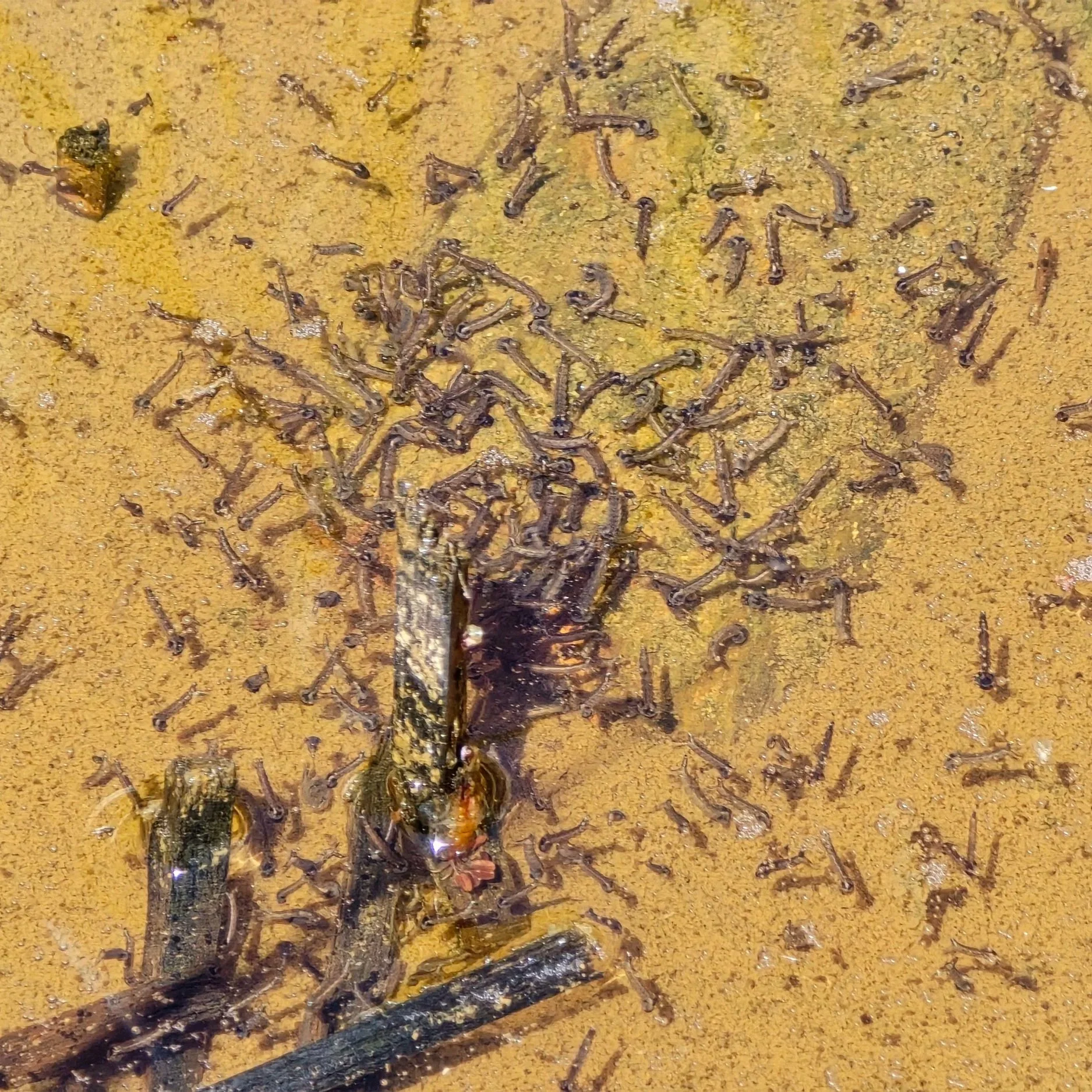
Time for some fuzzy math! I found about 20 larvae with every 10 ounce dip in each of about a dozen different pools. How many larvae might be in this little nook of Livingston Bay? On the conservative side, with an average pool size of 10 gallons, there could be over 30,000 mosquito larvae getting ready to pupate and pester the island. More realistically? Easily over 100,000 mosquito larvae.
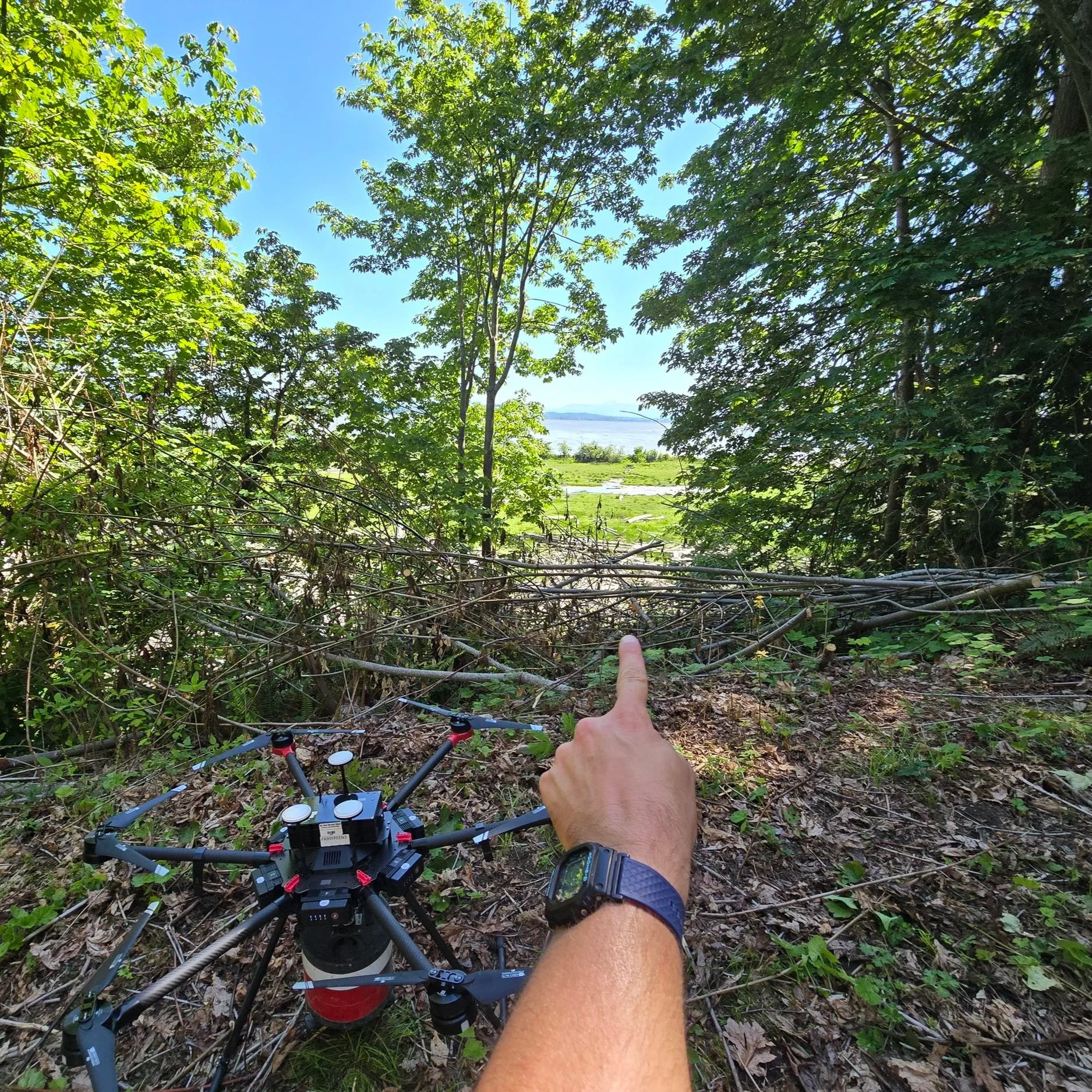
Reaching this site with a heavy backpack sprayer would be dangerous - remember all those logs? Instead I launched our treatment from a clearing halfway down the slope. It wasn’t the most challenging landing zone I’ve ever used, but it was close!
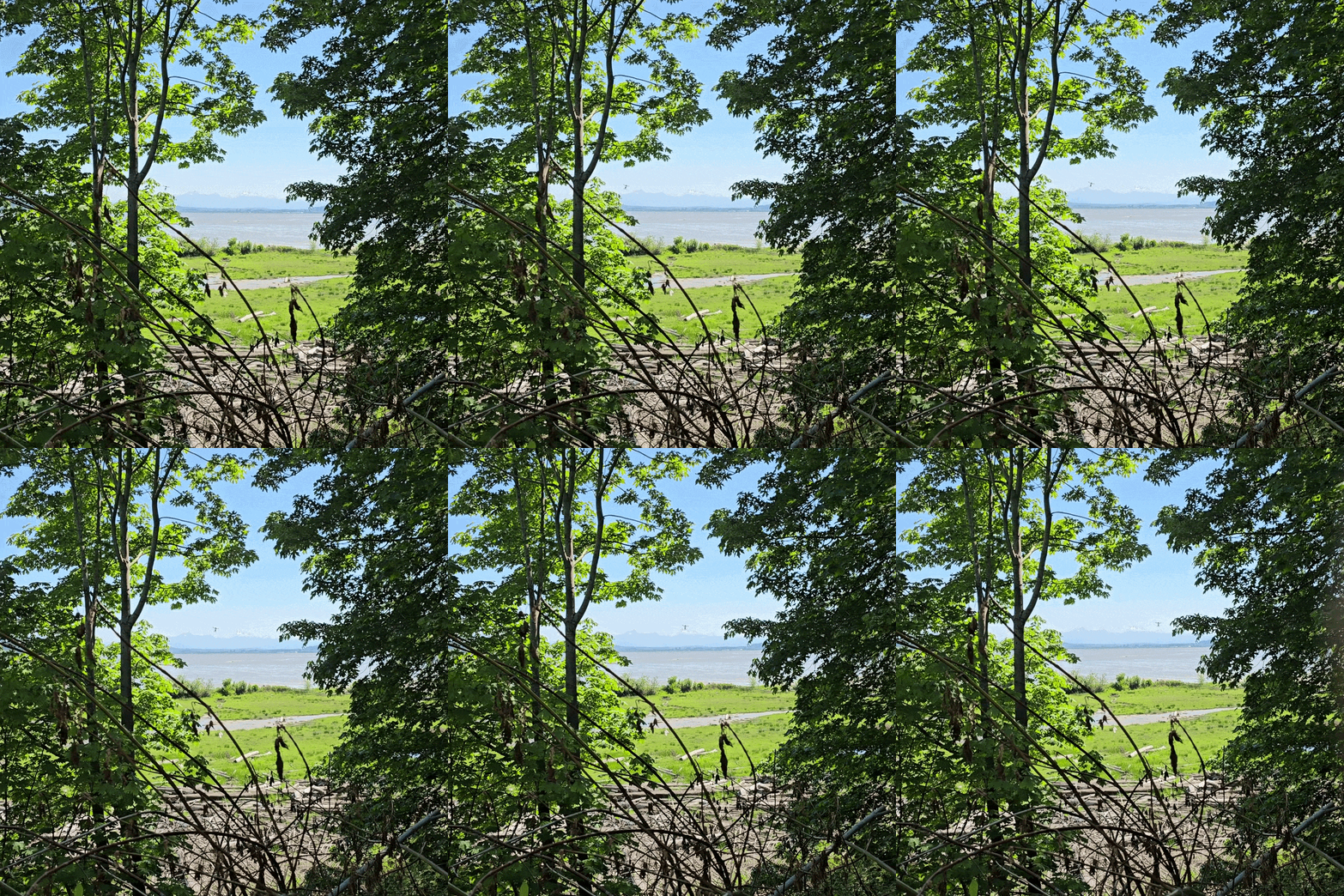
I ended up treating a few acres of ephemeral pools and soggy soil using an insect growth hormone regulator. I’ll keep an eye on this site over the next few weeks, but hopefully this will keep at least some of this Bay at bay (heh) for the time being.