Mosquito Management Plan
The Camano Island Mosquito Control District (CIMCD) follows integrated mosquito management control strategies recommended by the U.S. Centers for Disease Control and Prevention and the American Mosquito Control Association. Our management strategy and daily activities consist of:
Surveillance
Identification of species by collecting mosquito samples from standing water or mosquito traps.
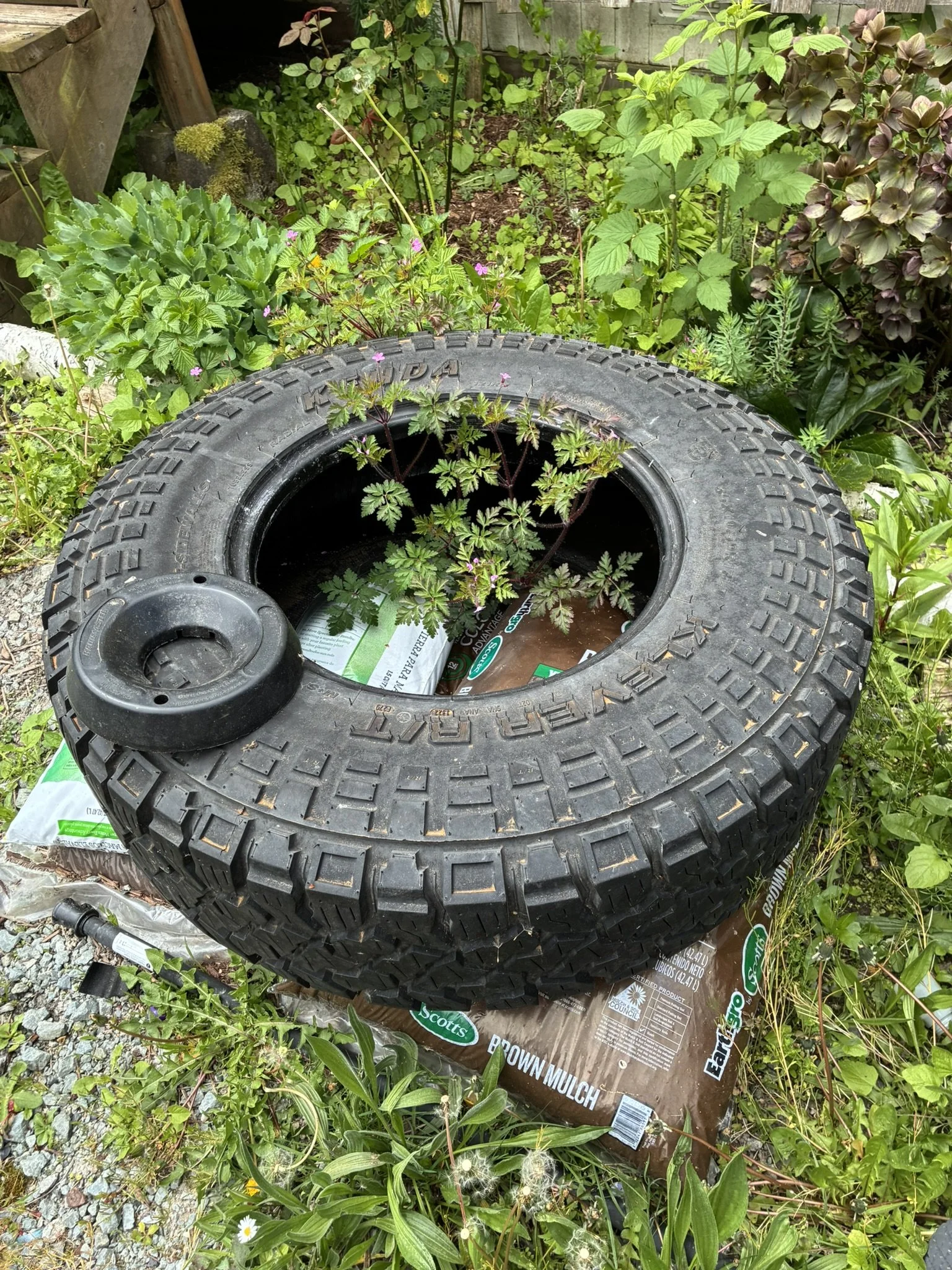
There are more than 20 mosquito species on Camano Island. Some do not take blood from humans and can be ignored despite their obvious swarming. Others originate from human debris (i.e. tires, potted plants) and require significantly different management strategies than those coming from coastal wetlands.Source reduction
Reducing available standing water for larval mosquitoes to develop within is the most effective means of mosquito control. When possible, CIMCD addresses issues with standing water by attempting to remove the source of the water before other means of control. This is most often performed at the homeowner level by dumping water pooling in human debris around the house during service visits. CIMCD has also served as a consultant for large-scale land management projects to determine whether diking, damming, or installation of outdoor recreation facilities would contribute to potential mosquito problem sites.
Larval mosquito management
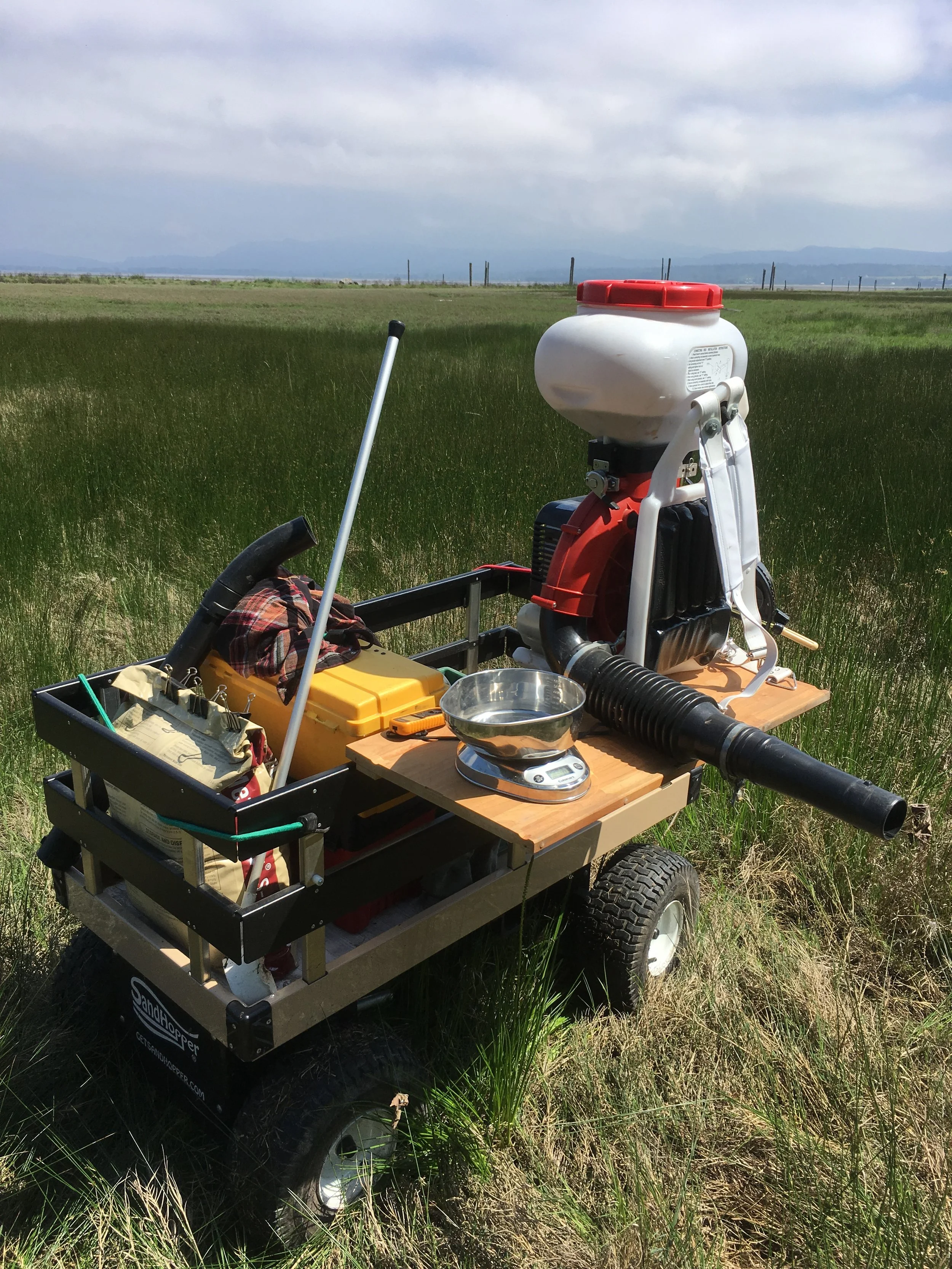
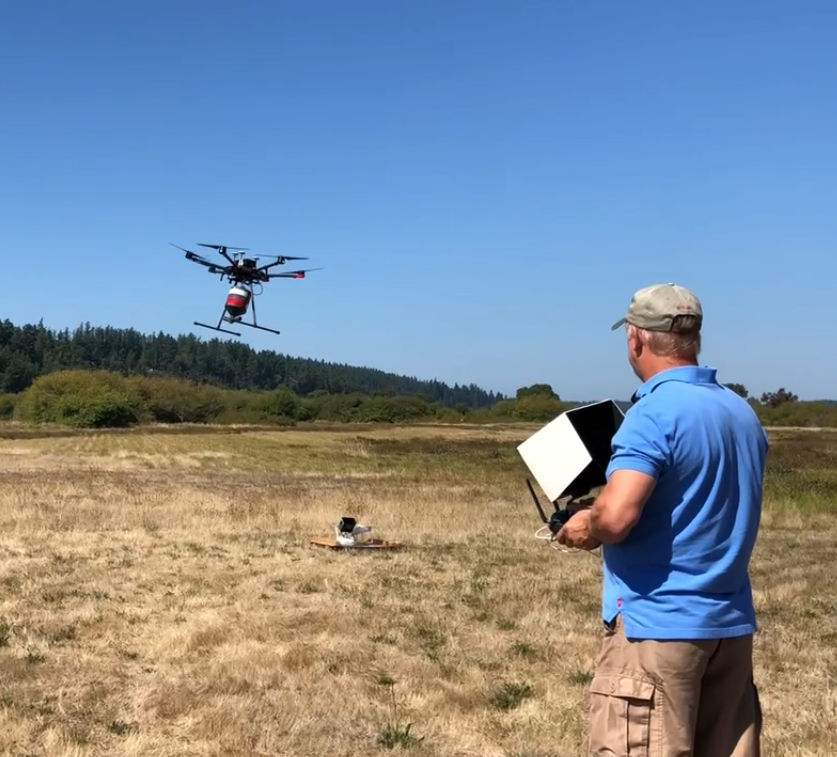
When standing water sources are too large to address by source reduction, CIMCD relies upon larval insecticides (larvicides) to control mosquito populations. CIMCD uses only EPA-approved larvicides containing the active ingredients Bacillus thuringiensis israelensis, Bacillus sphaericus, or the insect growth regulator methoprene. No insecticides are perfect, but these active ingredients have been shown to have minimal human, pet, and environmental impact.
Adult mosquito management
Mosquito adult insecticides (adulticides) are effective at controlling actively biting populations. CIMCD does not have the budget for or make use of adulticides at this time and has not since its inception. As the threat of invasive mosquito species and the pathogens they carry (i.e. Dengue and Zika virus) expands, we will continue to reevaluate the need for adulticides annually.
Virus testing
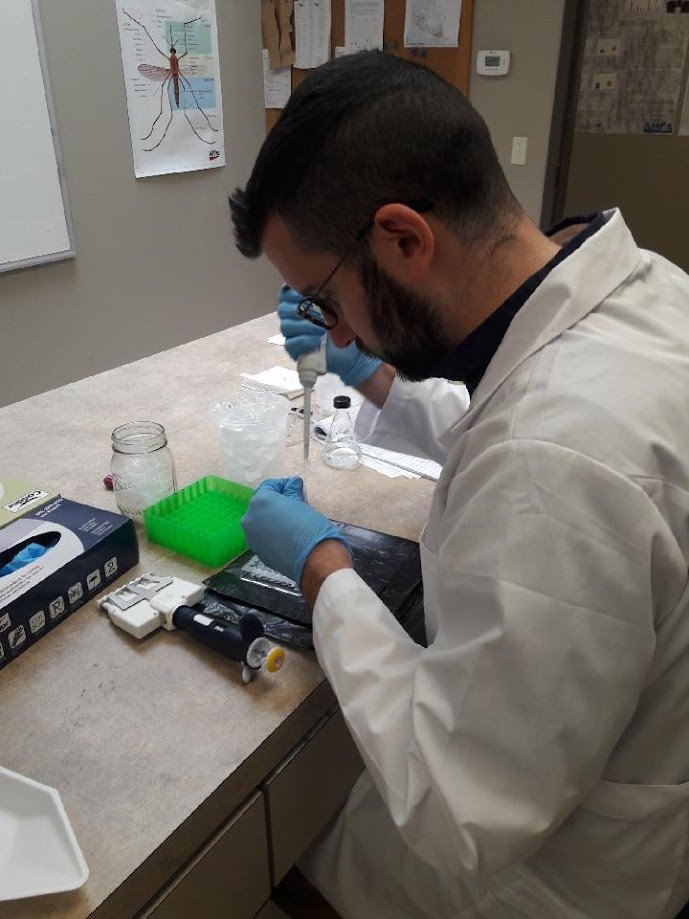
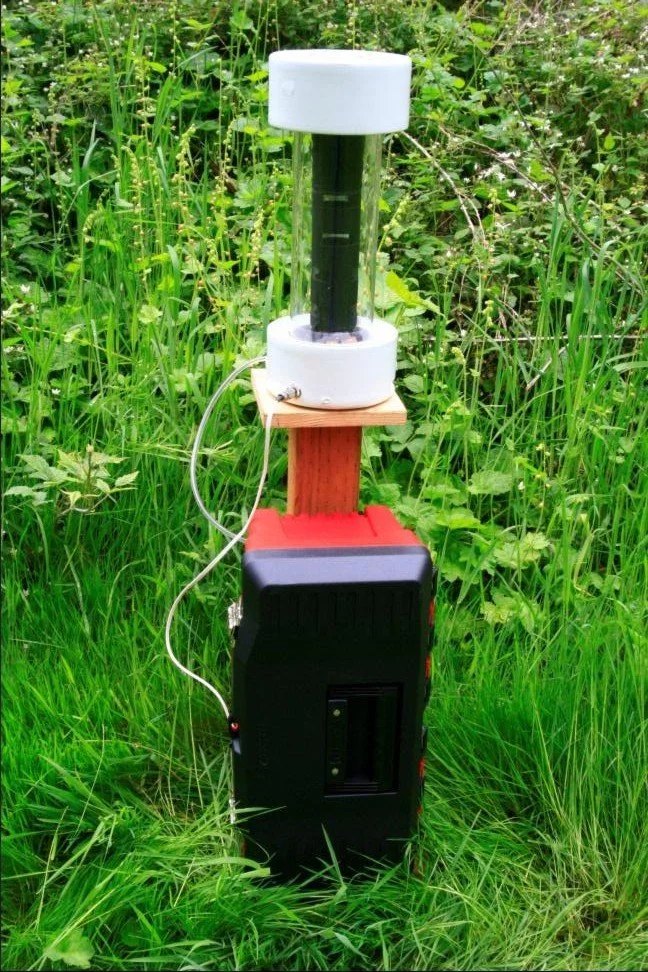
Mosquitoes collected during routine surveillance may be tested for the presence of West Nile virus in-house or sent to the Washington State Department of Health for in-depth diagnostics. Presence of West Nile virus within mosquitoes is an important predictor of public health risk. When West Nile virus is found within our district, CIMCD deploys large-scale mosquito traps to remove biting adults from the area, and larvicides standing water that could give rise to the next generation of vector mosquitoes.
Insecticide resistance and efficacy testing
CIMCD rotates which insecticide active ingredients are used and verifies their effectiveness against wild mosquito populations annually. The likelihood that insecticide resistance develops increases the longer an insecticide has been used, and is an inevitable problem that we hope to delay as long as possible. Currently there is no evidence of resistance in our wild populations to the three larvicides used regularly in our district.
Public education
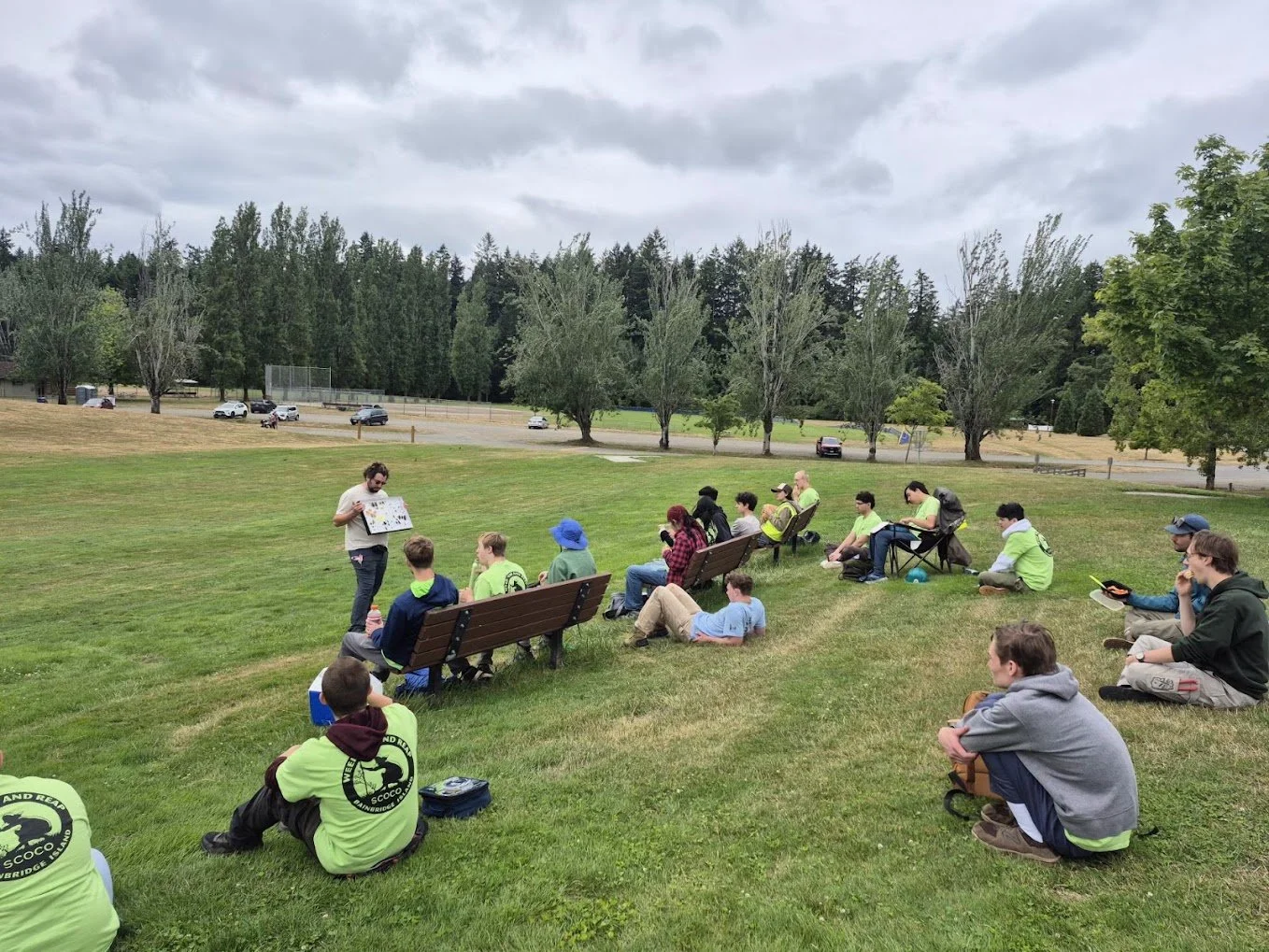
We attend public events and meet with concerned citizens in order to educate others about mosquitoes and the threats they pose to Camano Island. Many requests for service we receive are unfortunately directly attributed to standing water created by our own residents. We hope that by educating residents of Camano Island we can promote source reduction in our own backyards, and hope to inspire the next generation of entomologists and public health experts.
Scientific review
Our program is informed by scientific knowledge and therefore changes as our understanding of mosquito biology, habitat ecology, and insecticide chemistry changes. CIMCD makes every effort to keep up with scientific literature surrounding mosquitoes and the diseases they transmit. Potential changes to our program as a result of mosquito invasions, new scientific understanding, or revised best practices will always be discussed with our Board of Trustees at public meetings should they become necessary.