

What’s making me itchy - early June edition
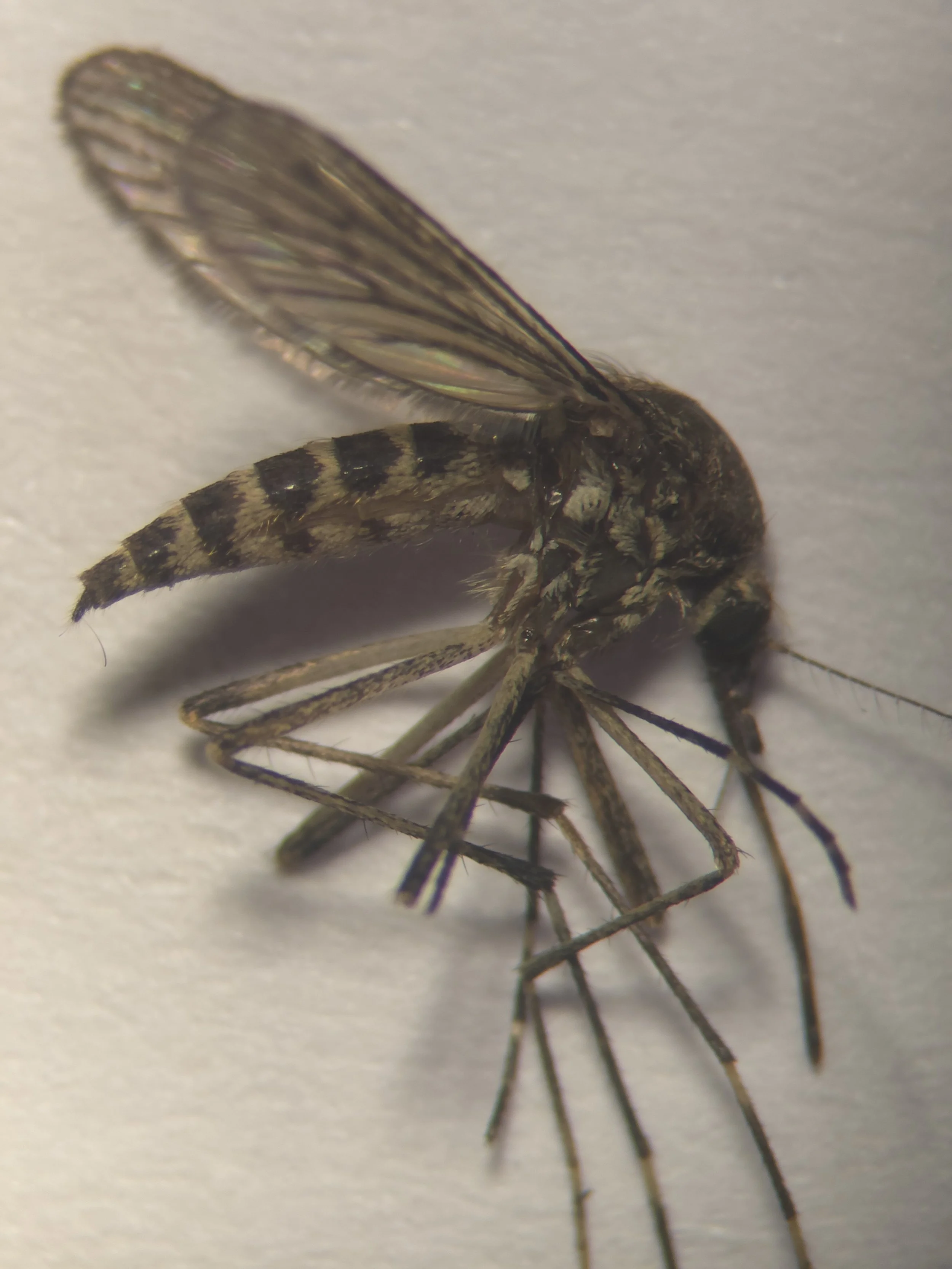
The last few days have been full of Aedes increpitus bites for me. This species emerges in great swarms a week or two after rain, and parts of the island (both in and out of the district) are seeing an explosion in their populations right now.
Females of this species lay their eggs in damp soil and leaf litter. Eggs can remain dormant for months to years, only hatching when enough water floods where they’ve been laid. The first big rain storms in the spring and summer can hatch last year’s eggs in great numbers, hence why they’re emerging en masse right now.
This species is most active at dusk and dawn, but will gladly take a bite during the day out in the open if a treeline or tall plants (think cattails) are nearby. They’re aggressive biters meaning that even if you shoo them away, they’ll be back a few seconds later.
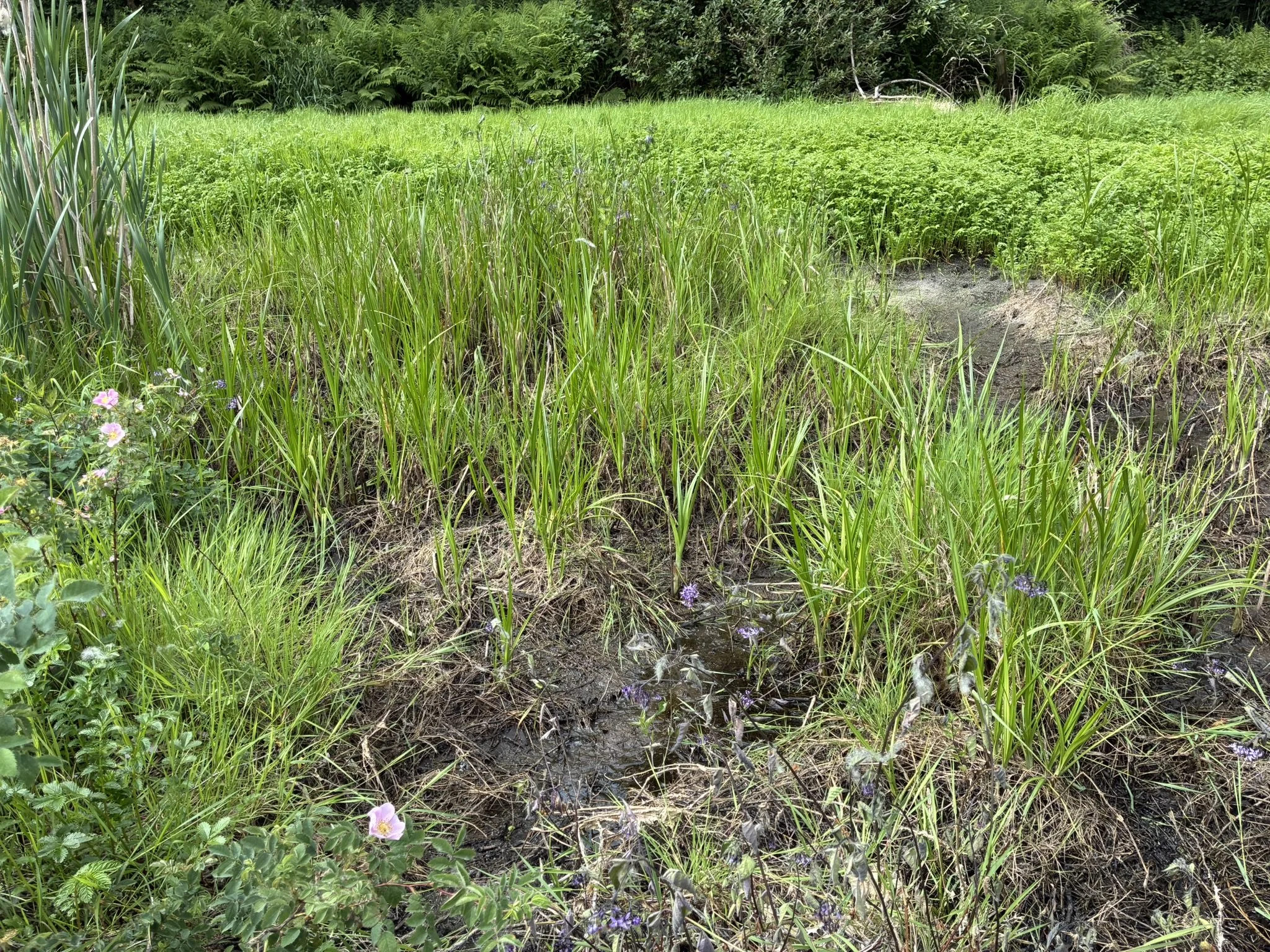
Considering Ae. increpitus makes use of our natural environment to reproduce, getting rid of them can be a challenge. Draining stagnant water deep in the woods is an uphill battle, as is bringing a backpack sprayer through beaver-hole territory and across acres of uncut trails. Even our treatment drone can struggle to maintain uplink thanks to thick tree canopies overhead.
So what do we do? If trails exist, as is the case in some of our more major parks, finding and treating with a larval insecticide works well. If enough breaks in canopy exist, our treatment drone can do wonders in reducing larval abundance quickly. What if neither is the case? Still working on that one unfortunately.
In the meantime, I’ll be wearing bug spray when I next encounter a swarm of hungry Ae. increpitus. I’m itchy enough as-is!