

Cemeteries and mosquitoes
I’ll never forget the trip I made to an historic Louisiana cemetery while studying mosquitoes in graduate school. The cemetery itself was as majestic and eerie as you’ve likely seen portrayed in the media. What is forever stuck in my memory was a battered above-ground coffin. One corner was damaged and missing, and the sarcophagus itself was completely full of water, bones, and mosquito larvae. We didn’t take a sample for identification (it seemed disrespectful), but found plenty of other mosquitoes in nearby vases that were likely the same species (Aedes albopictus for those curious).
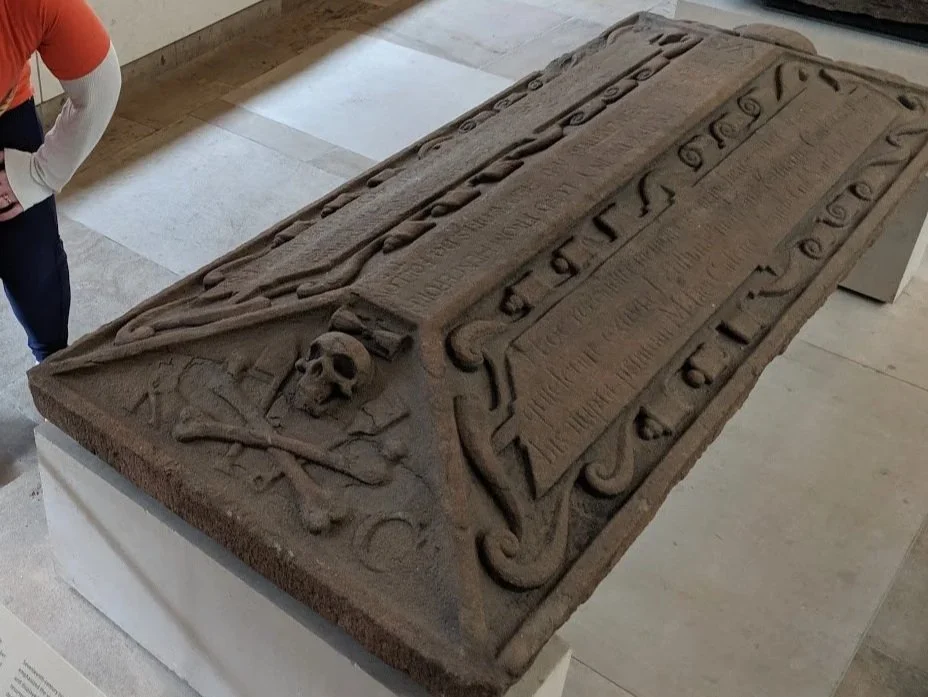
Not the historic sarcophagus in question, but hopefully it gets the idea across!
Cemeteries probably don’t rate too highly on where people think mosquitoes come from. Next time you visit one, though, take a look at all the containers everywhere. Flower vases, decorative urns, and even damaged graves themselves in at least one instance. Cemeteries are probably a close second to backyards as the most likely place to find human-made containers holding water and mosquito larvae.
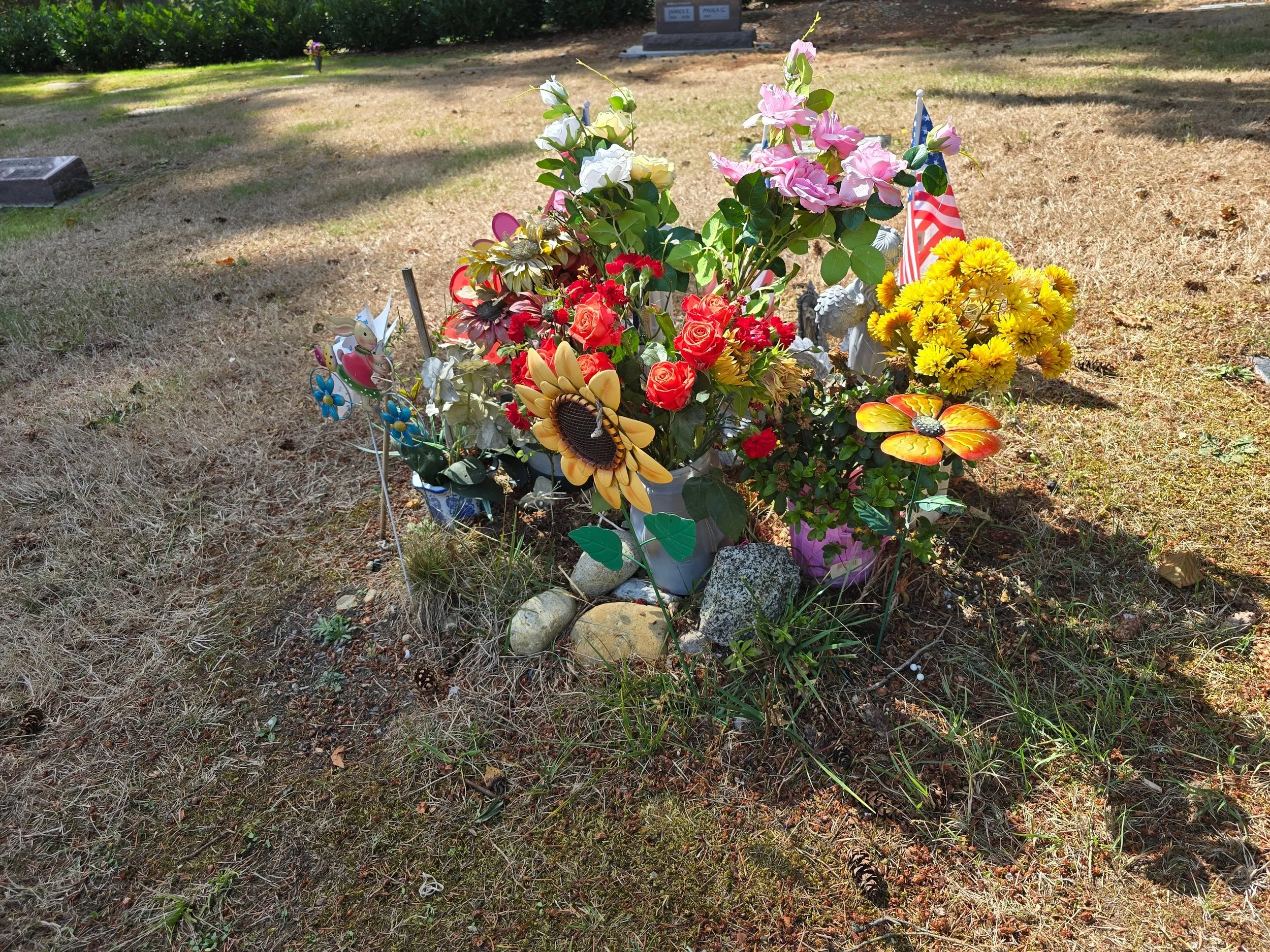
I hope it doesn’t sound like I’m shaming the mourners, visitors, or caretakers of these facilities. I’m as likely to find mosquitoes at an impeccably maintained cemetery as I am a less-frequented one. Mosquitoes have evolved to take advantage of whatever water is available, and sometimes it just so happens to be a vase in a cemetery.
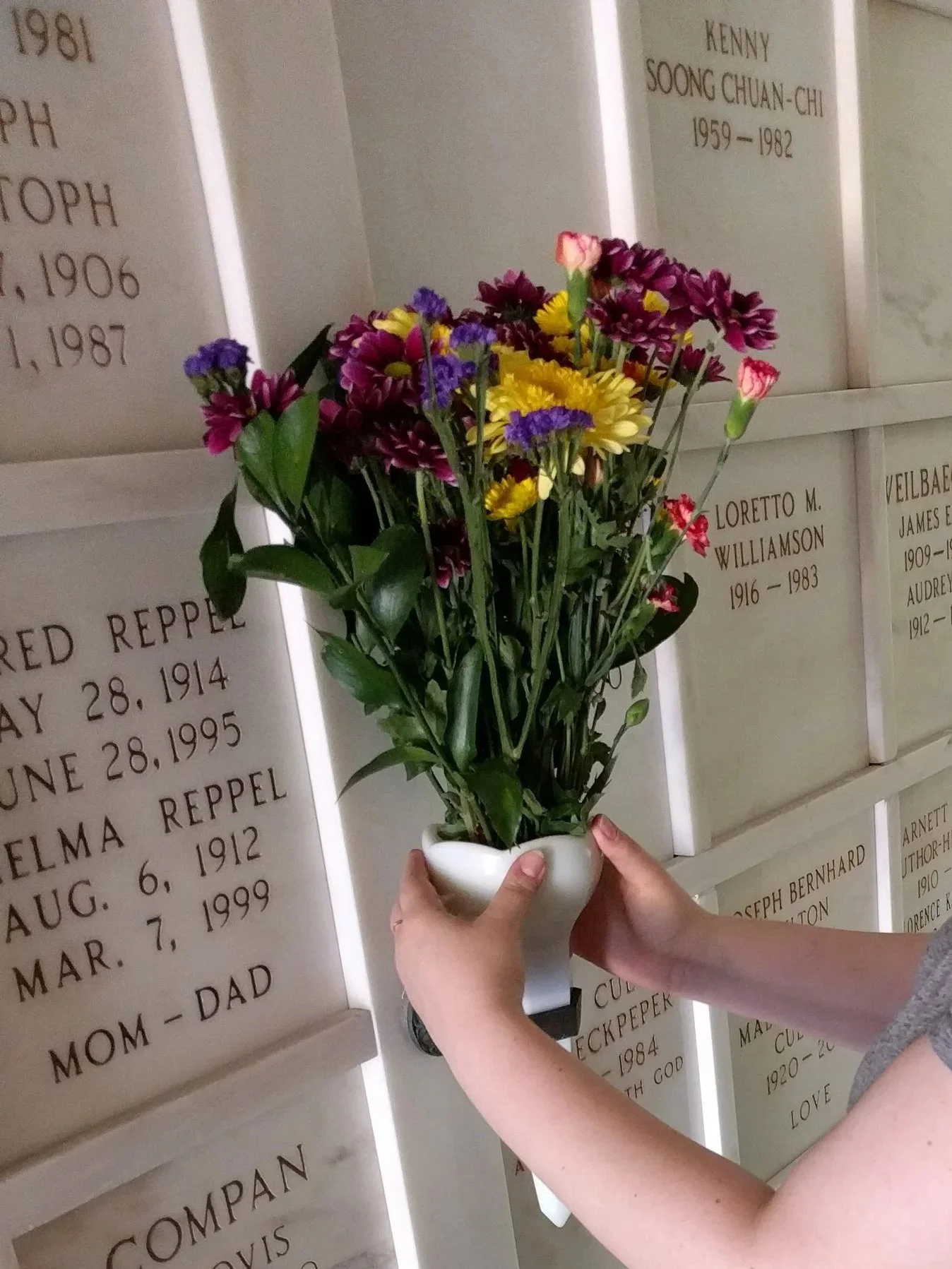
So what’s the point? Mosquitoes should be the last thing on your mind when visiting a cemetery. I try to keep it that way by visiting them myself. I leave every container I check in better condition than I found it as a small way of thanking the deceased for letting me take a look. I never would have expected I’d be visiting cemeteries with some regularity as part of my career in entomology. Mostly, I want people to know that mosquitoes make use of unexpected places, and that mosquito control districts have to think outside of the box as far as where to find them.